
Charleston Hope builds a mental health team inside Title I elementary schools, so a child who needs care gets it during the school day, down the hall, at no cost to their family.
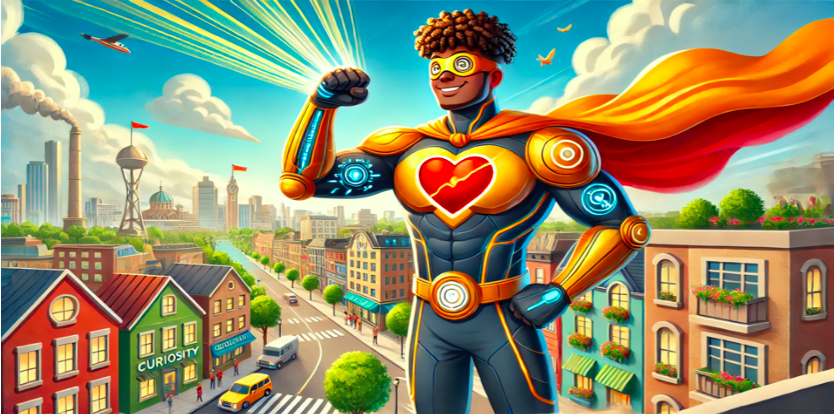
“He's the youngest of three brothers, and we got custody of them early in their lives. He came to us withdrawn, and other times he was really over the top. The guidance counselor at his school told us about Charleston Hope. He met a counselor named Jordan, and what they figured out together was that he was carrying this huge fear of rejection. So they made a graphic novel. He came up with the hero, the setting, the whole story, and he named it after himself. The theme he picked was perseverance. He likes to participate in class now. Those times he'd just go quiet, those have come to a minimum.”
— Isaac, whose son completed a year of therapy at his elementary school
THE YOUTH MENTAL HEALTH CRISIS NEEDS A DIFFERENT RESPONSE
More than three quarters of South Carolina youth with depression receive no treatment at all. These needs begin early, follow children through school, and shape outcomes long after the classroom. Closing the gap takes more than reaching the child.
It takes reaching the family, the teacher, and the school around that child at the same time, which is the gap in most school-based mental health programs.
More than 3 in 4 South Carolina youth with a major depressive episode receive no mental health treatment
Access has stayed out of reach for most families despite years of state investment and a doubled counselor workforce, now at one counselor for every 567 students
The youngest children carry the most. In Charleston County, children ages 0 to 6 are abused or neglected at a higher rate than any other age group
WHAT YOUR GIVING BUILDS.
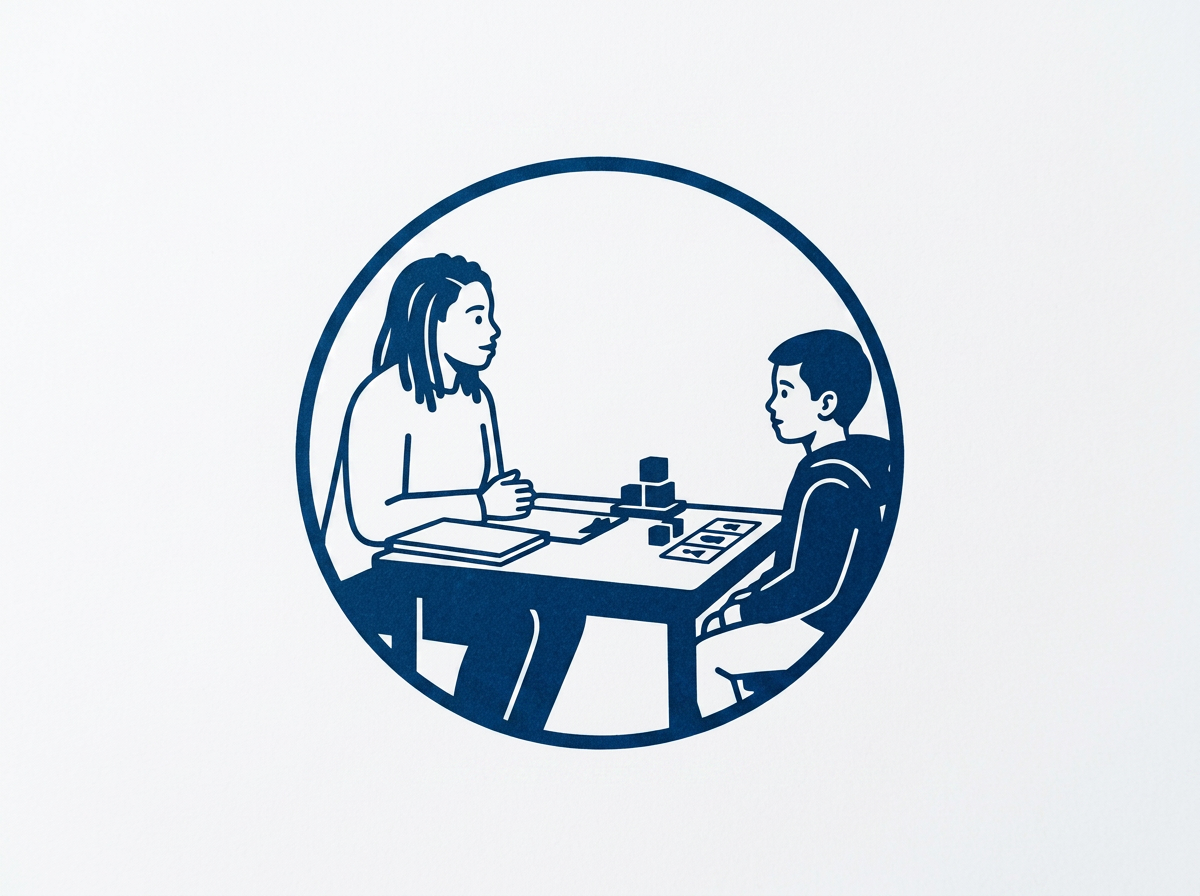
Therapy, during the school day
A licensed therapist works on site. Every child is assessed before care begins and again at the end, and no student is placed with a clinician until that assessment is complete.

A coordinator who knows the family
They take the referrals, walk the parent through permission, schedules around the school day rather than a clinic's hours, and stays in touch from the first call to the last session.
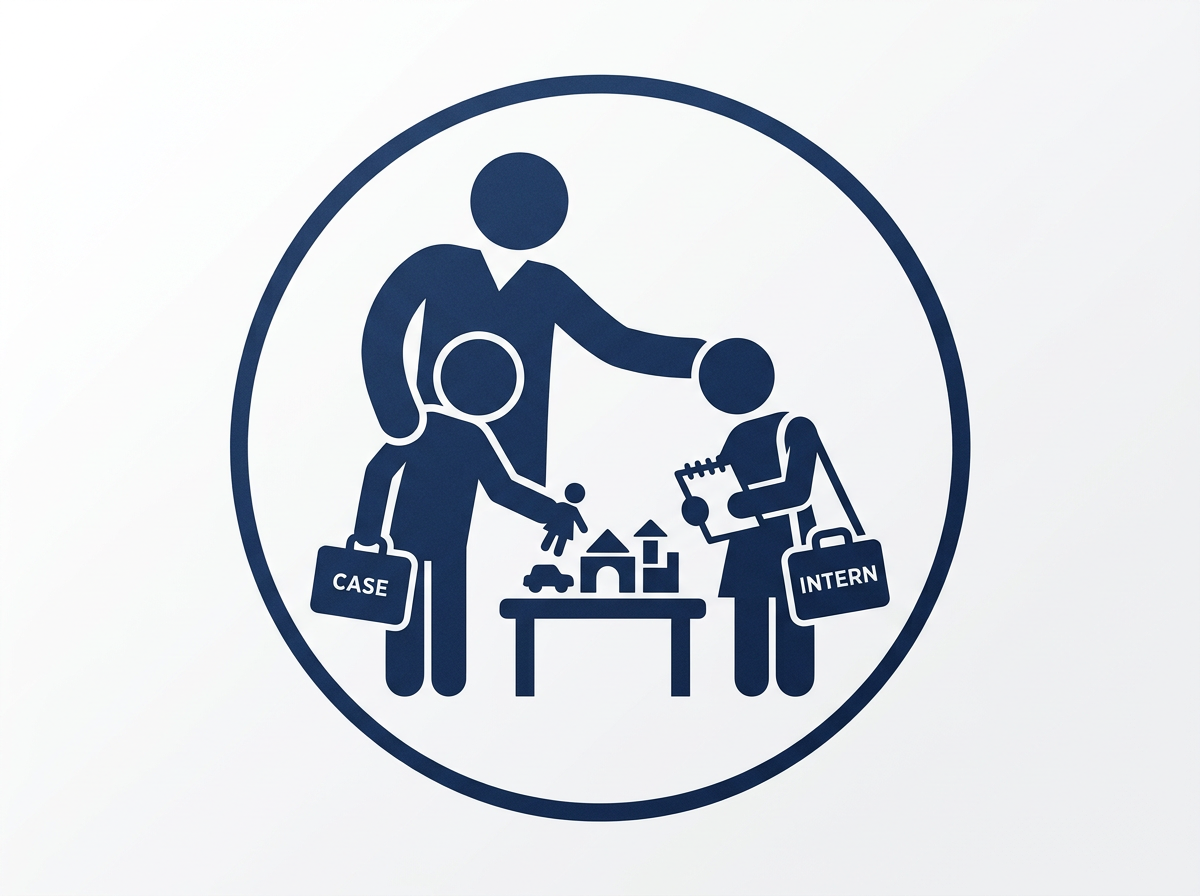
Clinicians we train & grow ourselves
Graduate clinical interns carry cases under licensed supervision, trained in play therapy before they meet a single child.
THIS YEAR, WITH YOUR HELP
8
Schools where our team will work
160
Children who will receive mental health support
1500
Hours of clinical therapy inside schools
2400
Hours of care coordination with their families
Our goals for the 2026–27 school year. Last year we delivered 907 hours of therapy to 60 students and served 45 girls in Step-In.
What Happens When a Child Feels Truly Heard
Sometimes the biggest changes come from small moments of being understood. A real story from our THRIVE Therapy Program, from where one student started to the confidence and connection they've built along the way.

GIVE: Be the reason a child gets care.

$2,000 — A Hope Scholarship
One student's full school year of one-on-one therapy, start to finish, at no cost to their family.

$167 a month — The Hope Circle
The same scholarship, spread across your year. We hire clinicians in July and fill caseloads in August, so a school year cannot be funded in April.

$5,000 - A school's therapy & program rooms, equipped and stocked
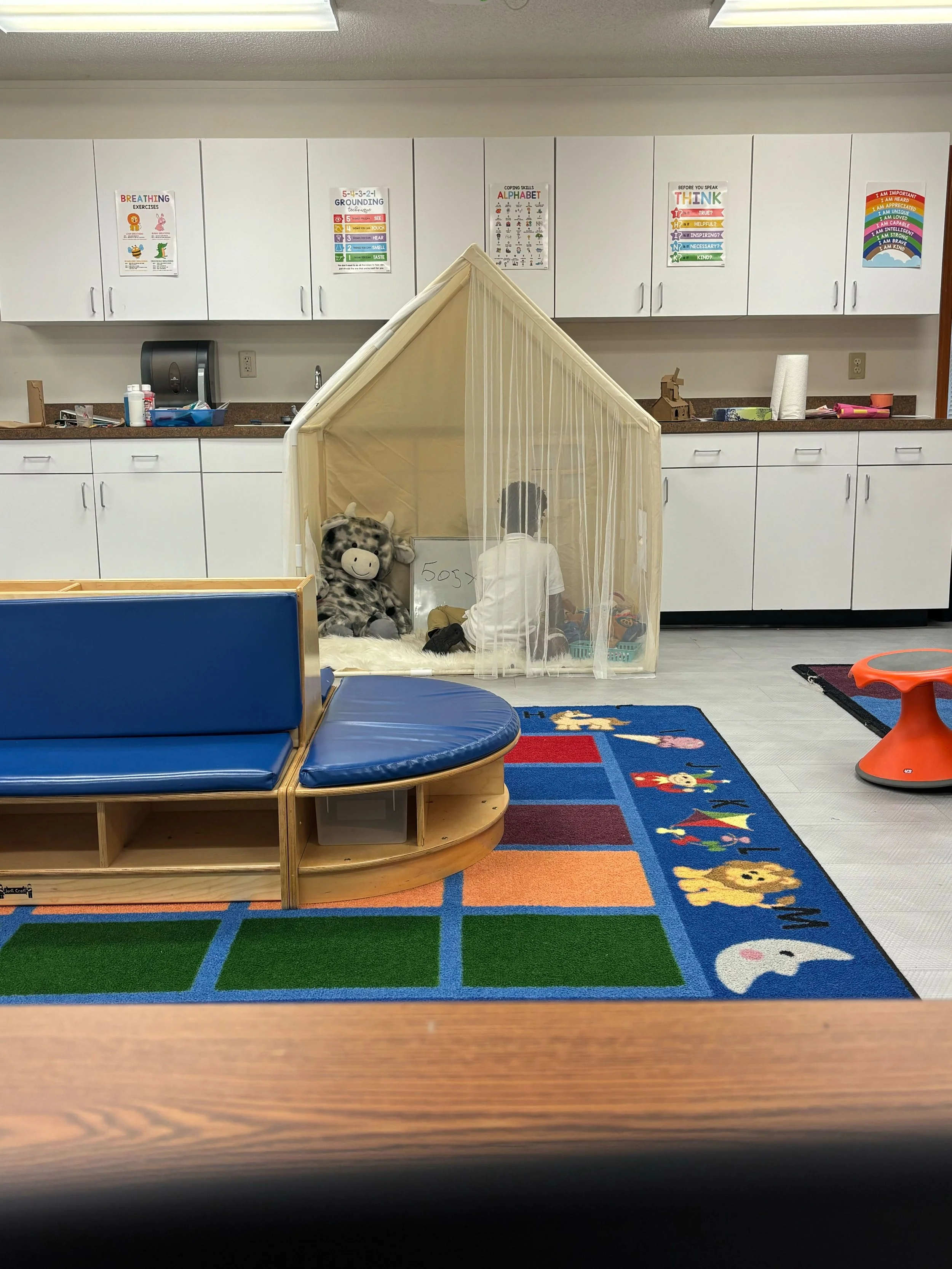
Sand trays, dollhouses, art materials, and the play therapy tools a clinician uses every day, plus a year of replenishing them. Our current rooms are furnished with pieces scavenged from around the schools.
STAY CLOSE TO THE WORK
Sign up with your email address to receive news and updates.

Henrietta Gantt, PhD, LPC-S, NCC
“Tre is a first grader who had to grow up very quickly after his father was incarcerated at an early age, witnessing violence in the home, and his older brother was diagnosed with a chronic medical condition. He struggled with constant anxiety of his family’s safety and wondering whether or not he was “good enough.” He fears being a burden to others.
Through therapy sessions and play therapy techniques he explored the trauma of violence through role play and his brother’s medical condition with a toy medical kit. His anxiety about safety decreased overall and his teacher reported that he had seemed much more comfortable at school and playing with others and had started to reduce the amount of times he asked whether or not he was good. He was able to start just acting more like a kid!”


Key Partners